






Introduction
Sugar is everywhere—from tea and soft drinks to packaged snacks and even foods that don’t taste sweet. While small amounts of natural sugar are part of a normal diet, excess sugar consumption has become a major health concern worldwide. Regularly consuming too much sugar can silently damage your body, increasing the risk of obesity, diabetes, heart disease, and many other problems.
In this detailed guide, we will explain Sugar Side Effects & How to Reduce Them, helping you understand how excess sugar affects different parts of the body and what steps you can take to live a healthier life.
What Is Excess Sugar?
Excess sugar refers to consuming more added sugars than the body actually needs. Added sugars are commonly found in:
- White sugar
- Brown sugar
- Syrups
- Soft drinks and energy drinks
- Bakery items and sweets
- Processed and packaged foods
According to health experts, added sugar should make up less than 10% of daily calories, yet many people consume far more without realizing it. Knowing Sugar Side Effects & How to Reduce Them early can help prevent long-term health problems.
Major Side Effects of Excess Sugar
1. Weight Gain and Obesity
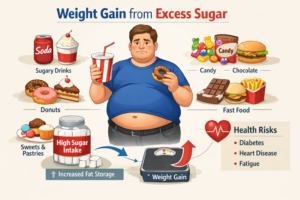
One of the most common side effects of excess sugar is weight gain. Sugary foods are high in calories but low in nutrients. They do not keep you full, leading to overeating and fat storage, especially around the belly.
2. Increased Risk of Type 2 Diabetes
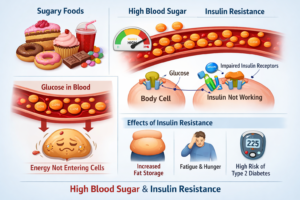
Too much sugar causes frequent spikes in blood glucose levels. Over time, this can lead to insulin resistance, significantly increasing the risk of type 2 diabetes.
3. Heart Disease
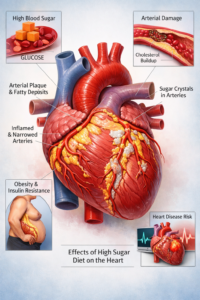
Excess sugar intake raises bad cholesterol (LDL), triglycerides, and inflammation, which are major risk factors for heart disease. People who consume high amounts of sugar are more likely to experience heart attacks and other cardiovascular problems. These heart-related issues are among the most dangerous Sugar Side Effects & How to Reduce Them discussed by health professionals.
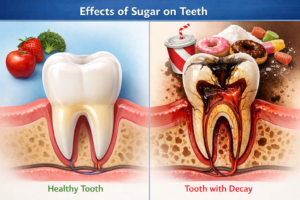
4. Tooth Decay and Cavities
Sugar feeds harmful bacteria in the mouth, leading to plaque buildup, cavities, and gum disease. This problem affects both children and adults and can cause long-term dental issues if ignored.
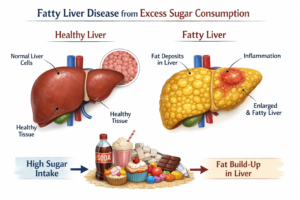
5. Fatty Liver Disease
When you consume too much sugar—especially fructose—the liver converts the excess into fat. This can result in non-alcoholic fatty liver disease (NAFLD), which may progress to serious liver damage over time.
6. Increased Risk of Acne and Skin Problems
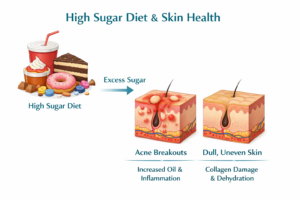
High sugar intake increases insulin levels, triggering inflammation and excess oil production. This often leads to acne, dull skin, and premature aging. Skin damage is one of the visible Sugar Side Effects & How to Reduce Them that many people overlook.
7. Mood Swings and Low Energy
Sugar causes quick energy boosts followed by sudden crashes. These fluctuations result in mood swings, irritability, fatigue, and difficulty concentrating throughout the day.

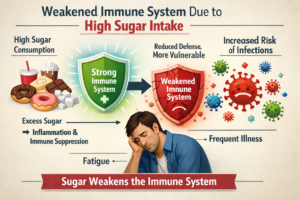
8. Weakened Immune System
Too much sugar suppresses the immune system by reducing the effectiveness of white blood cells. As a result, the body becomes more vulnerable to infections and illnesses.
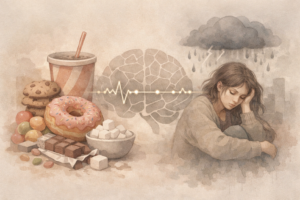
9. Increased Risk of Depression
Research suggests a strong link between high sugar diets and mental health problems such as anxiety and depression. Inflammation and blood sugar imbalance play a key role in affecting brain health.
How to Reduce Sugar Intake Naturally
Reducing sugar does not mean quitting everything at once. These practical tips focus on Sugar Side Effects & How to Reduce Them in a safe and sustainable way.
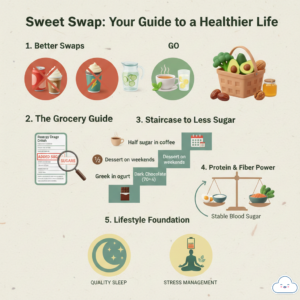
1. Avoid Sugary Drinks
Replace soft drinks, packaged juices, and energy drinks with:
- Water
- Lemon water
- Green tea
- Unsweetened herbal tea
2. Read Food Labels Carefully
Sugar appears under different names such as glucose, fructose, corn syrup, and maltose. Always check labels before buying packaged foods.
3. Choose Whole Foods
Eat more fresh fruits, vegetables, whole grains, nuts, and seeds. These foods contain fiber that slows sugar absorption.
4. Reduce Sugar Gradually
Cutting sugar step by step helps prevent headaches, cravings, and low energy.
5. Use Natural Sweet Alternatives (In Moderation)
Healthier options include dates, honey, stevia, and small amounts of jaggery.
6. Increase Protein and Fiber Intake
Protein and fiber keep you full longer and reduce sugar cravings. Include eggs, lentils, yogurt, and vegetables in your meals.
7. Manage Stress and Sleep Well
Poor sleep and stress increase sugar cravings. Aim for 7–8 hours of sleep and practice relaxation techniques.
Benefits of Reducing Sugar
- Better weight control
- Stable energy levels
- Improved heart health
- Clearer skin
- Stronger immunity
- Lower risk of chronic diseases
Conclusion
Excess sugar may taste good, but its long-term effects can seriously harm your health. From weight gain and diabetes to heart disease and mental health issues, the risks are real. The good news is that reducing sugar is possible with small, consistent changes.
By understanding Sugar Side Effects & How to Reduce Them, choosing whole foods, and building healthier habits, you can protect your body and enjoy long-term wellness.