





Creatine for Brain Health: Unlocking Cognitive Potential
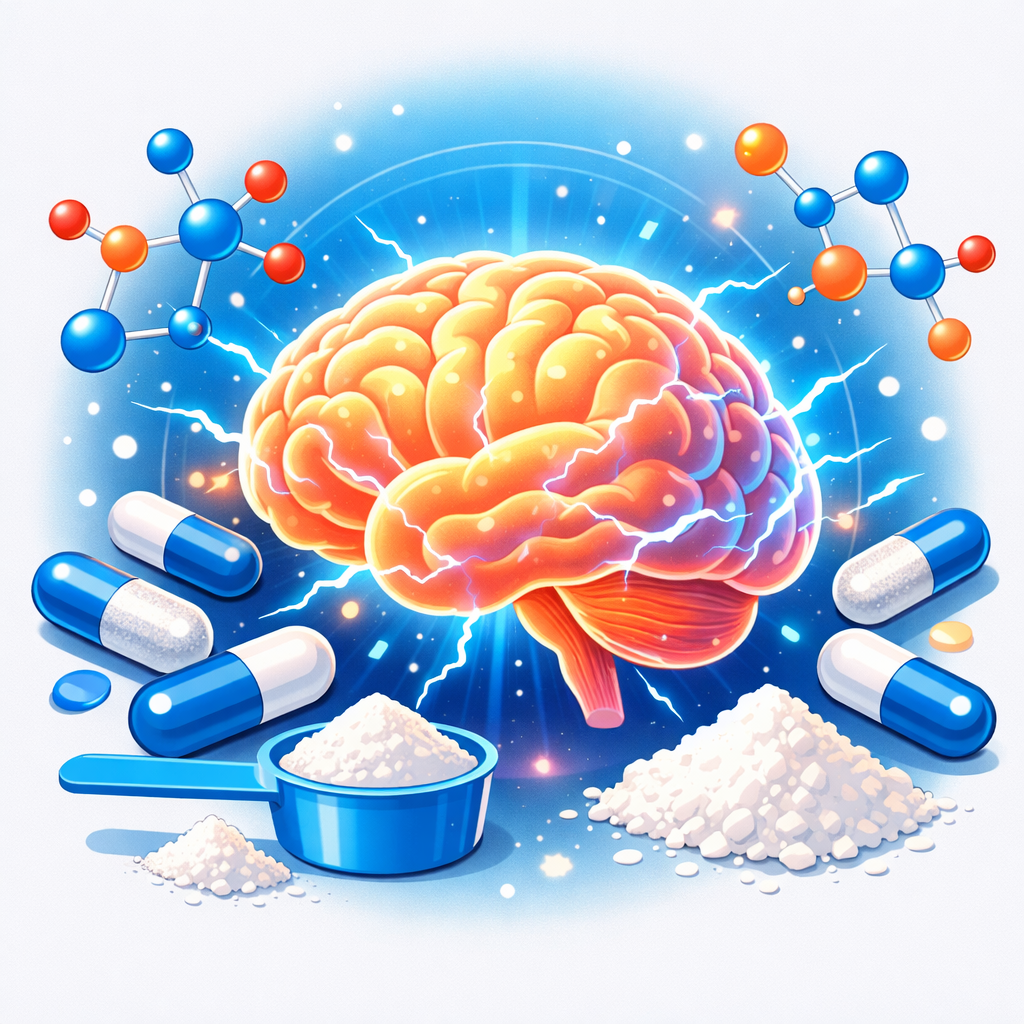
In the world of health and nutrition, creatine is most commonly associated with muscle growth and athletic performance. However, recent studies have revealed that creatine for brain health is just as important as it is for the body. This naturally occurring compound, found in foods like meat and fish and also available as a dietary supplement, plays a crucial role in providing energy to cells—including brain cells. Understanding how creatine can enhance cognitive function, memory, and mental clarity can help individuals make informed decisions about their diet and supplementation.
What is Creatine?
Creatine is a naturally occurring compound made from three amino acids: arginine, glycine, and methionine. It is stored primarily in skeletal muscles but is also present in smaller amounts in the brain. Its main function is to help regenerate adenosine triphosphate (ATP), the primary energy molecule used by cells. This energy production is essential for high-demand activities, both physical and mental.
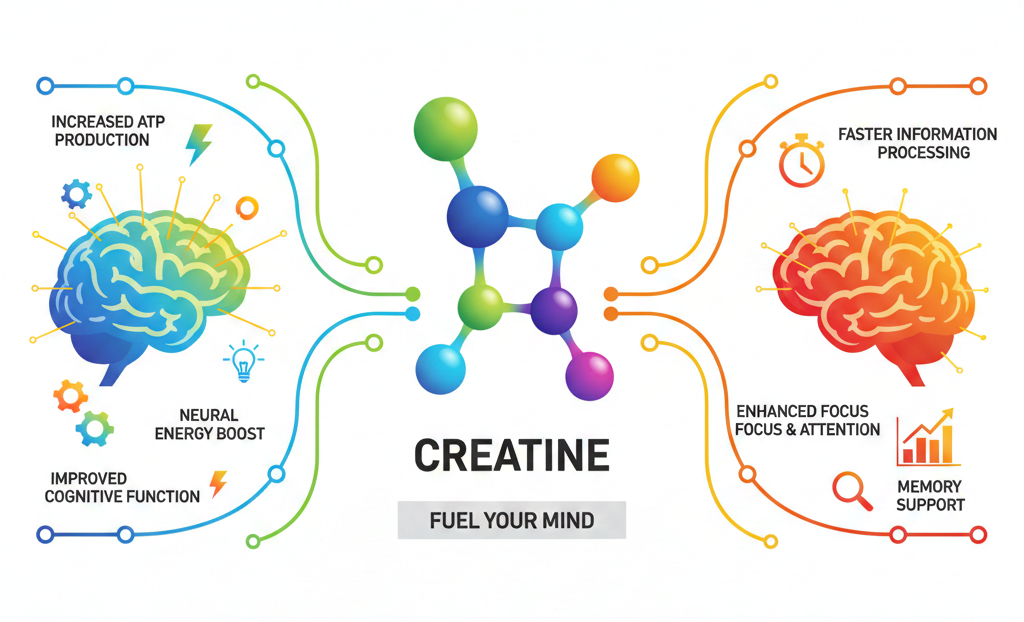
While creatine is well-known in sports nutrition for improving strength and endurance, recent research suggests that creatine for brain health may enhance cognitive function, particularly in stressful situations, sleep deprivation, or aging.
How Creatine Benefits Brain Health
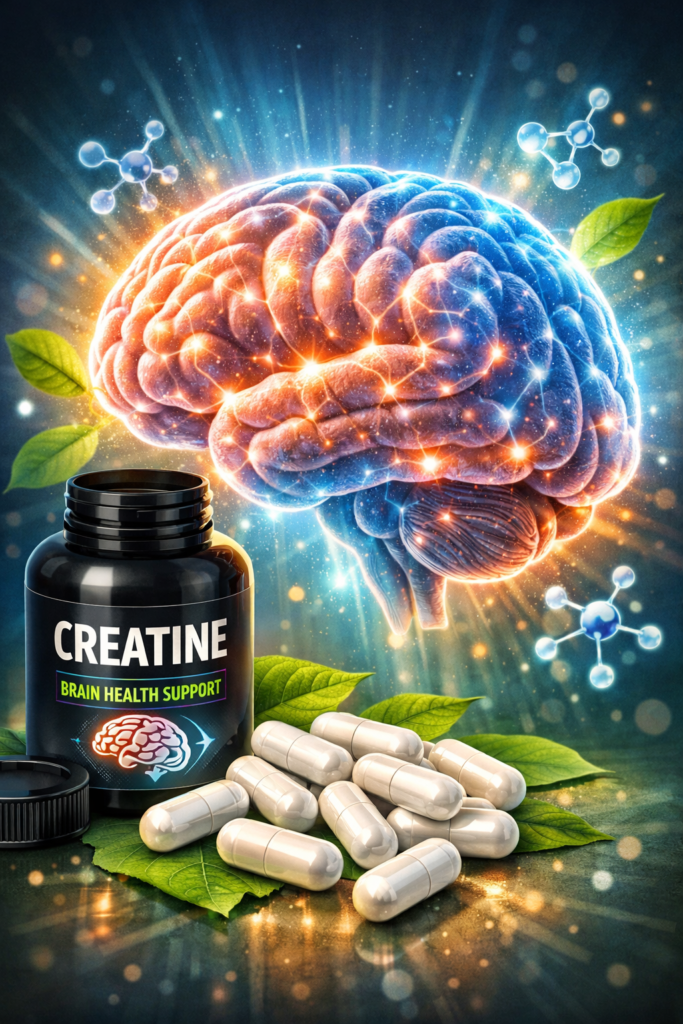
1. Improves Memory and Learning
Creatine plays a key role in energy metabolism in the brain. Studies have shown that supplementing with creatine can improve short-term memory, working memory, and learning abilities, particularly in tasks that require high mental effort. This is because the brain requires a constant supply of ATP, and creatine helps maintain this energy supply efficiently.
2. Supports Mental Fatigue Reduction
Mental fatigue can significantly reduce productivity and focus. Research indicates that creatine for brain health may reduce mental fatigue during demanding cognitive tasks, allowing the brain to perform longer without feeling exhausted.
3. Neuroprotective Effects
Creatine has antioxidant properties, which can protect brain cells from oxidative stress and damage. This can reduce the risk of neurodegenerative diseases such as Alzheimer’s and Parkinson’s.
4. Enhances Cognitive Function in Vegetarians
Vegetarians and vegans often have lower natural creatine levels due to limited intake from animal sources. Supplementing with creatine in these populations has shown significant improvements in cognitive performance, particularly in memory and intelligence tasks.
Sources of Creatine
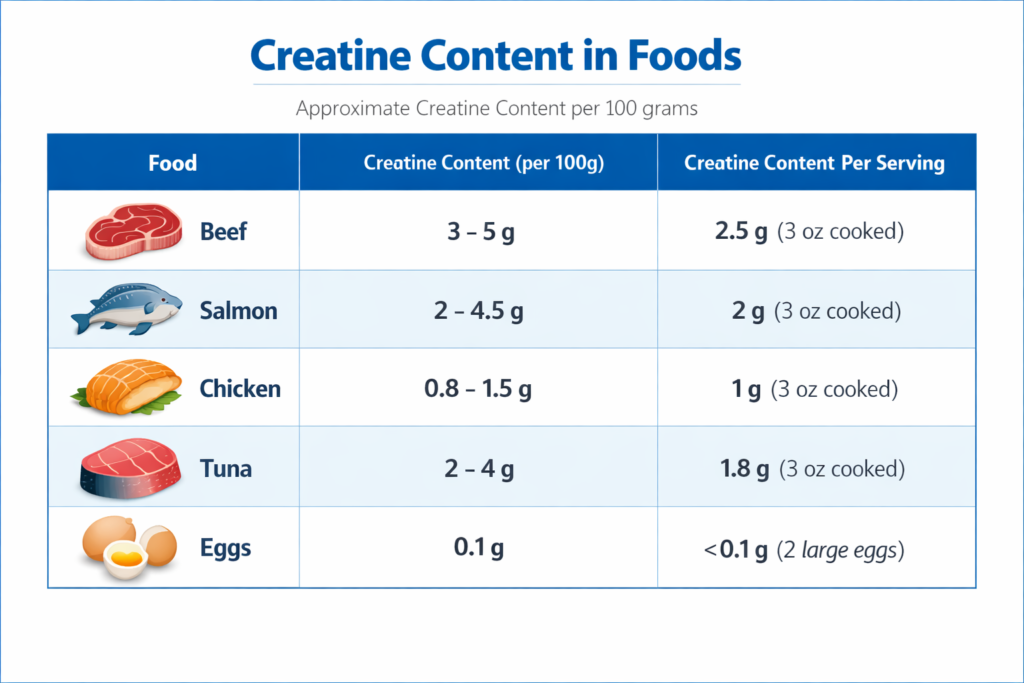
Creatine can be obtained through diet or supplementation.
| Source Type | Examples | Creatine Content |
|---|---|---|
| Food | Beef, Salmon, Tuna, Pork | 0.5–1 g per 100g |
| Supplement | Creatine Monohydrate Powder or Capsules | 3–5 g per serving |
| Combination | Diet + Supplementation | Optimized energy and brain support |
While diet alone can provide some creatine, supplements are more effective in increasing brain creatine levels, especially for cognitive enhancement.
Recommended Dosage for Brain Health
For general brain support, studies suggest a daily creatine intake of 3–5 grams is effective. Unlike muscle building, the “loading phase” often used in sports nutrition (20 grams per day for 5–7 days) is not always necessary for cognitive benefits.
Tips for effective use:
-
Take creatine with a carbohydrate source for better absorption.
-
Maintain daily consistency for long-term cognitive benefits.
-
Consult a healthcare professional before starting supplementation, especially for individuals with kidney issues.
Scientific Evidence Supporting Creatine for Brain Health
Several studies highlight the cognitive benefits of creatine supplementation:
-
Memory and Intelligence: A 2003 study found that vegetarians supplementing with 5 grams of creatine daily for 6 weeks showed improved short-term memory and intelligence scores compared to a placebo group.
-
Mental Fatigue: Research published in Psychopharmacology indicated that creatine supplementation reduces mental fatigue in tasks like mathematical problem-solving and memory tests.
-
Neuroprotection: Laboratory studies suggest that creatine protects neurons from oxidative stress and may reduce the risk of neurodegenerative diseases.
These findings make a strong case for considering creatine for brain health, not just physical performance.
Who Can Benefit Most from Creatine Supplementation?
-
Vegetarians and vegans (lower dietary creatine intake)
-
Students and professionals needing enhanced focus and memory
-
Older adults experiencing age-related cognitive decline
-
People under stress or sleep deprivation
-
Individuals with neurodegenerative risks
Potential Side Effects
Creatine is generally safe for most healthy adults. However, some people may experience mild side effects:
-
Gastrointestinal discomfort
-
Water retention
-
Rare kidney strain in individuals with pre-existing kidney issues
Proper dosage and hydration minimize these risks.
Lifestyle Tips to Enhance Brain Health Alongside Creatine

While creatine supplementation can significantly benefit cognitive function, combining it with healthy lifestyle habits amplifies results:
-
Balanced Diet: Include omega-3 fatty acids, antioxidants, and vitamins.
-
Regular Exercise: Improves blood flow and brain oxygenation.
-
Adequate Sleep: Supports memory consolidation and brain repair.
-
Mental Stimulation: Puzzles, reading, and learning new skills.
-
Stress Management: Meditation, deep breathing, and mindfulness.
Conclusion
The role of creatine for brain health is becoming increasingly recognized. Beyond its traditional use in sports nutrition, creatine supports memory, learning, mental fatigue reduction, and neuroprotection. Whether through diet or supplementation, incorporating creatine into your routine can enhance cognitive performance and overall brain wellness.
Always consult with a healthcare provider before starting supplementation, particularly if you have underlying health conditions. Combined with a healthy lifestyle, creatine can be a powerful tool to unlock your brain’s full potential.