





🧠 Mental Health Awareness: Understanding, Importance, and Ways to Promote Emotional Well-Being
Mental health awareness has become one of the most important global conversations in today’s fast-paced world. As physical health gets more attention, mental well-being is equally critical for leading a balanced and productive life. Unfortunately, mental health issues are often misunderstood, ignored, or stigmatized, which prevents individuals from seeking help at the right time. Promoting awareness about mental health helps people recognize problems early, support one another, and build healthier communities.
What Is Mental Health Awareness?
Mental health awareness refers to understanding mental health conditions, recognizing their signs and symptoms, and encouraging open discussions about emotional and psychological well-being. It focuses on educating people that mental health is just as important as physical health.
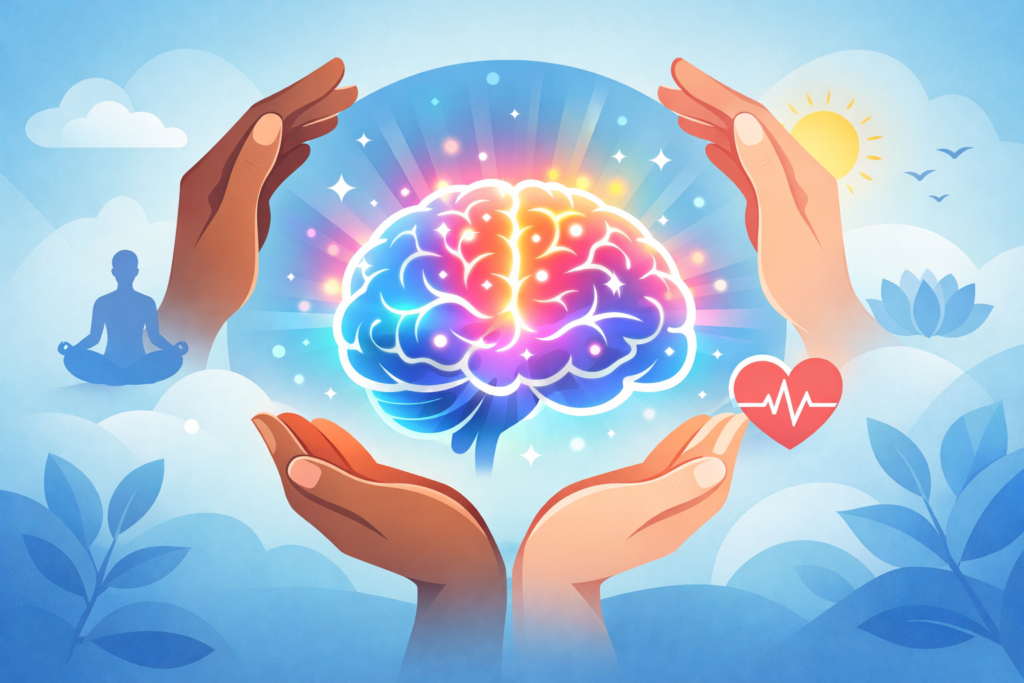
By increasing mental health awareness, society learns that conditions like anxiety, depression, stress disorders, and bipolar disorder are medical issues—not weaknesses. Awareness empowers individuals to seek professional support without fear or shame.
Why Mental Health Awareness Is Important
Mental health affects how people think, feel, act, and handle stress. When emotional well-being is ignored, it can negatively impact relationships, careers, and overall quality of life.
Here are some key reasons why mental health awareness is essential:
1. Reduces Stigma
One of the biggest barriers to treatment is stigma. Mental health awareness educates people and breaks harmful stereotypes, encouraging empathy and understanding.
2. Encourages Early Diagnosis
Awareness helps people identify early warning signs, allowing timely treatment and preventing conditions from becoming severe.
3. Improves Overall Health
Mental and physical health are deeply connected. Stress and depression can lead to heart disease, weak immunity, and chronic illness.
4. Supports Productivity
Healthy minds contribute to better performance at work, improved focus, and higher motivation.
🧩 Common Mental Health Disorders
Understanding common mental health conditions is a major part of mental health awareness. Some of the most widespread disorders include:
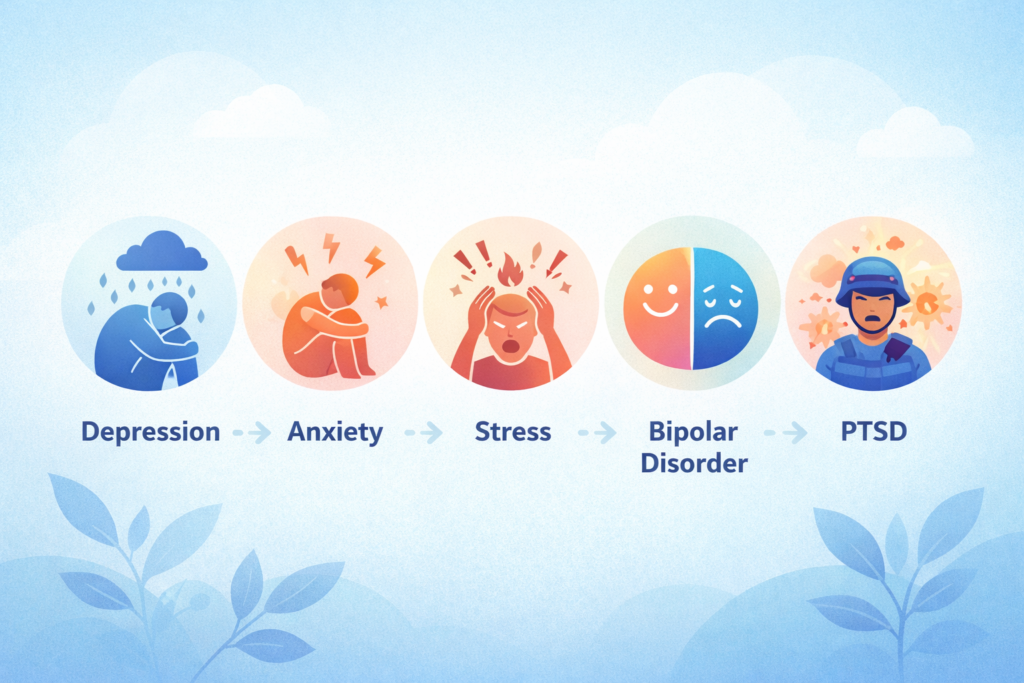
Depression – A mood disorder causing persistent sadness, lack of interest, fatigue, and hopelessness.
Anxiety Disorders – Includes panic disorder, social anxiety, and generalized anxiety disorder, characterized by excessive fear or worry.
Stress-Related Disorders – Long-term stress can cause burnout, sleep problems, and emotional exhaustion.
Bipolar Disorder – A condition involving extreme mood swings between emotional highs and lows.
PTSD – Develops after experiencing traumatic events and affects emotional regulation and daily functioning.
🏠 Mental Health in Daily Life
Mental well-being is not limited to hospitals or clinics—it starts at home, schools, and workplaces.

🏫 In Schools
Teaching children emotional intelligence, stress management, and self-expression builds strong mental foundations.
🏢 In Workplaces
Employers promoting psychological well-being create healthier environments, reduce burnout, and increase job satisfaction.
🏡 At Home
Families that openly discuss emotions help reduce anxiety and encourage emotional support.
👩⚕️ Role of Professionals
Mental health professionals play a vital role in spreading mental health awareness through counseling, therapy, and public education. Psychologists, psychiatrists, and therapists help individuals manage emotions and recover from mental health challenges.
Governments and NGOs also contribute by organizing awareness campaigns, helplines, and mental health programs.
📱 Social Media and Awareness
Social media has become a powerful tool in spreading mental health awareness globally. Online campaigns, hashtags, and influencers help normalize conversations around mental health.
However, excessive social media use can also increase anxiety and comparison stress. Balanced usage and digital well-being education are crucial.
🌱 Ways to Improve Mental Health
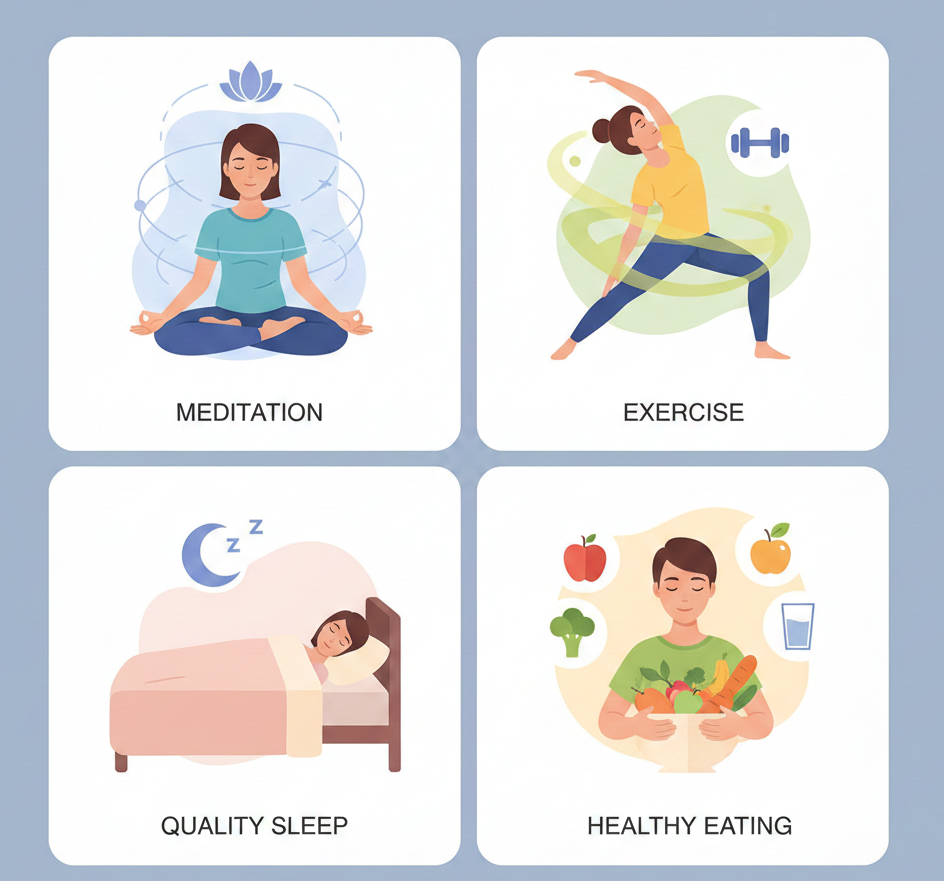
Promoting mental health awareness also involves adopting healthy habits:
-
Practice mindfulness and meditation
-
Maintain a balanced diet
-
Exercise regularly
-
Get enough sleep
-
Talk openly about emotions
-
Seek professional help when needed
These habits strengthen emotional resilience and mental clarity.
🛑 Breaking the Stigma
Stigma is one of the biggest challenges mental health awareness aims to eliminate. People often fear being judged or labeled, which stops them from seeking help.
To break stigma:
-
Educate yourself and others
-
Avoid negative language
-
Share personal experiences
-
Support mental health initiatives
Empathy and understanding can save lives.
🌎 Mental Health in Society
Globally, millions of people suffer silently due to lack of awareness and resources. Mental health awareness campaigns encourage policy changes, funding for mental health services, and equal treatment for psychological conditions.
Countries investing in mental well-being experience healthier populations and stronger economies.
💡 Importance for Youth
Young people face academic pressure, social expectations, and digital stress. Mental health awareness helps youth understand their emotions and seek guidance before problems escalate.
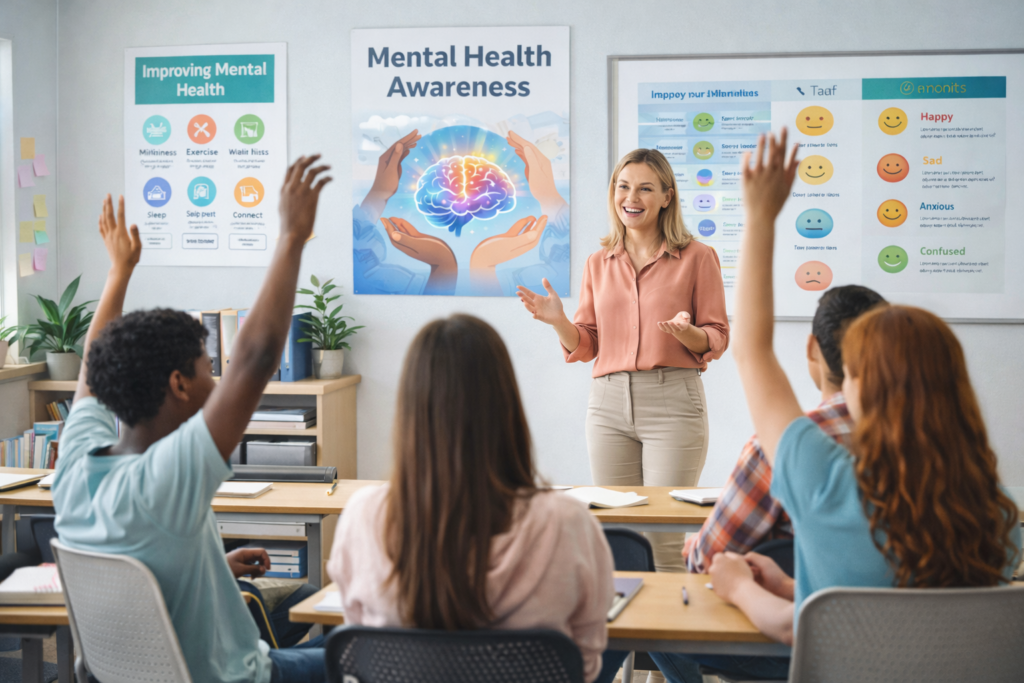
Schools and parents must work together to support emotional development and resilience.
🤝 How You Can Promote Awareness
Everyone can contribute to mental health awareness:
-
Share educational content
-
Support friends and family
-
Volunteer for mental health causes
-
Encourage therapy and counseling
-
Speak openly about emotional well-being
Small actions can create a big impact.
Watch this video to understand what mental health awareness is and why it matters.
🏁 Conclusion
Mental health awareness is not just a campaign—it is a lifelong commitment to emotional well-being and compassion. By understanding mental health, reducing stigma, and supporting one another, we can build a healthier and more empathetic society. Prioritizing mental health awareness ensures that individuals feel valued, heard, and supported in every stage of life.