






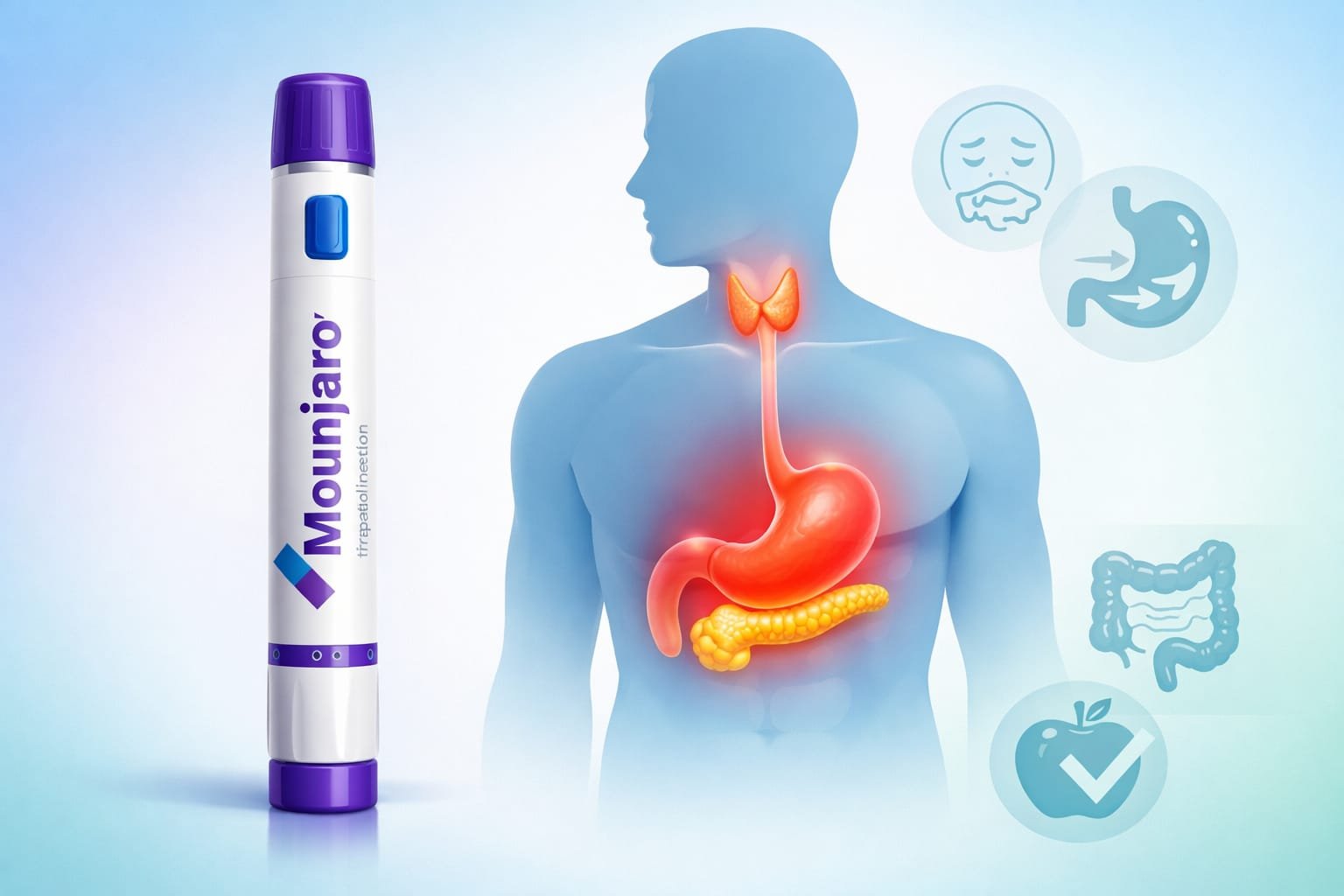
Mounjaro Weight Loss Side Effects: What You Need to Know
Mounjaro — also known by its generic name tirzepatide — has gained widespread attention for its potential in weight loss. Originally developed to treat type 2 diabetes, many users have experienced significant weight reduction while on Mounjaro. However, like all medications that affect metabolism and appetite, there are potential Mounjaro weight loss side effects that users should be aware of. This article provides a comprehensive overview of Mounjaro, its benefits, and the side effects associated with its use for weight loss.
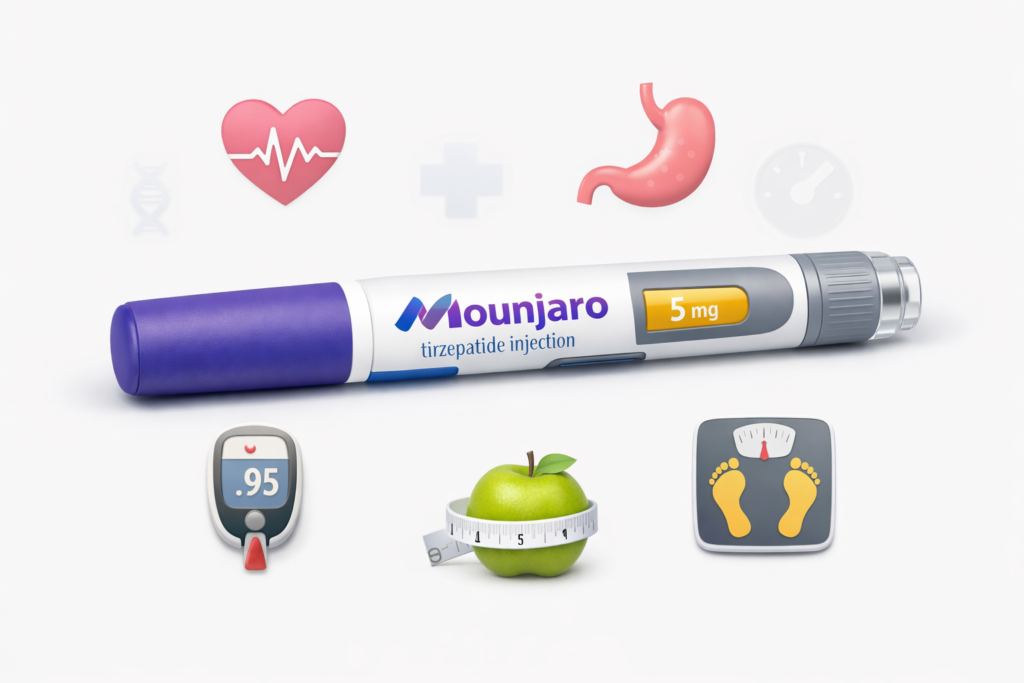
However, just as with any powerful medication affecting metabolism and appetite, side effects are common — ranging from mild digestive discomfort to more serious health concerns. This article explores what Mounjaro is, how it works for weight loss, and the full spectrum of side effects users may encounter — both common and rare — along with guidance on managing them safely.
What Is Mounjaro?
Mounjaro is an injectable medication that belongs to the class of GLP‑1 receptor agonists, but it also targets GIP (glucose-dependent insulinotropic polypeptide) receptors. This dual action makes it a twin-hormone mimetic that can regulate both appetite and blood sugar levels.
Although Mounjaro is primarily approved for type 2 diabetes, it is increasingly used off-label for weight loss due to its ability to suppress appetite, slow gastric emptying, and improve metabolic function. This makes it a popular choice for patients seeking significant fat reduction, though monitoring for Mounjaro weight loss side effects is essential.
How Mounjaro Supports Weight Loss

Mounjaro works through multiple mechanisms to support weight loss:
- Appetite Suppression – It signals the brain to reduce hunger, making users feel fuller faster.
- Slower Gastric Emptying – Food remains in the stomach longer, promoting satiety.
- Improved Insulin Function – Helps the body regulate blood sugar efficiently.
- Reduced Glucagon Production – Minimizes glucose output from the liver.
While these mechanisms help with weight loss, they are also the primary reason Mounjaro weight loss side effects can occur, particularly in the digestive system.
Common Mounjaro Weight Loss Side Effects
Many of the Mounjaro weight loss side effects are mild and manageable, often appearing in the first few weeks of treatment or when increasing the dose.
1. Nausea
Nausea is the most commonly reported side effect. It affects many users because slowed gastric emptying can disrupt normal digestion and create a feeling of fullness too quickly.
Tips to manage nausea:
- Eat smaller, frequent meals
- Avoid greasy or spicy foods
- Stay hydrated and try ginger or dry crackers
2. Digestive Issues: Diarrhea and Constipation
Digestive disturbances are also common among Mounjaro users:
- Diarrhea occurs due to altered intestinal motility.
- Constipation can result from delayed digestion and changes in water absorption.
Tips for relief:
- Increase dietary fiber gradually
- Drink at least 2–3 liters of water daily
- Engage in light physical activity like walking
3. Vomiting and Abdominal Pain
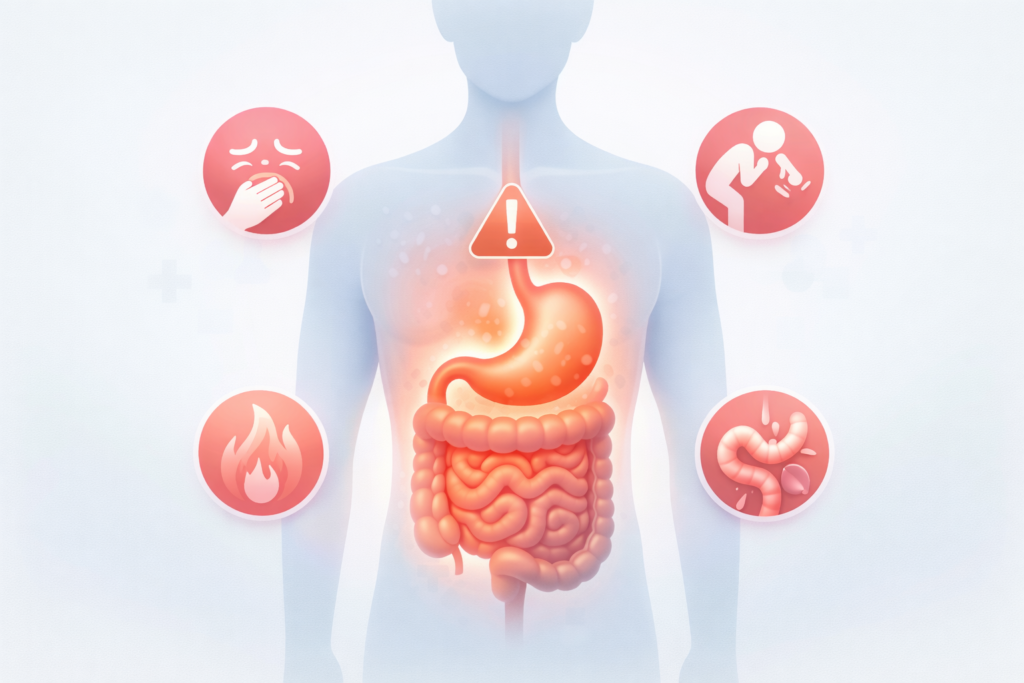
Some users experience vomiting or abdominal discomfort, especially when starting Mounjaro or increasing the dose. Up to 10% of users report vomiting. These symptoms usually improve with dietary adjustments and time.
Management:
- Stick to bland foods like rice, boiled vegetables, or broth
- Avoid very high-fat or sugary meals
- Consult a doctor if vomiting persists
4. Reduced Appetite
While appetite suppression is a desired effect for weight loss, it can become problematic if it causes insufficient calorie intake. Users may experience dizziness, weakness, or fatigue.
Management:
- Focus on nutrient-dense foods
- Ensure balanced meals with protein, healthy fats, and fiber
- Consider consulting a dietitian
5. Injection Site Reactions
Mild reactions such as redness, itching, or discomfort may occur at the injection site but usually resolve on their own.
Less Common But Serious Mounjaro Weight Loss Side Effects
Some side effects are rare but serious and require medical attention.
1. Pancreatitis
Rare cases of acute pancreatitis have been reported with Mounjaro use. Symptoms include severe abdominal pain radiating to the back, nausea, and vomiting. Immediate medical care is necessary if these symptoms occur.
2. Gallbladder Disease
Rapid weight loss can increase the risk of gallstones or gallbladder inflammation. Symptoms may include upper right abdominal pain, fever, or jaundice.
3. Thyroid C-Cell Tumor Risk

Animal studies with similar drugs showed increased risk of thyroid C-cell tumors. While this hasn’t been confirmed in humans, people with a family history of thyroid cancer or MEN2 syndrome are usually advised not to use Mounjaro.
4. Hypoglycemia
Low blood sugar can occur if Mounjaro is combined with insulin or other diabetes medications. Symptoms include sweating, shakiness, headache, and confusion.
5. Kidney Stress and Dehydration
Severe vomiting or diarrhea can lead to dehydration and put strain on the kidneys. Users should monitor fluid intake and consult their doctor if symptoms persist.
6. Allergic Reactions
Though rare, allergic reactions such as rashes, swelling, or difficulty breathing require immediate medical attention.
Managing Mounjaro Weight Loss Side Effects

To safely use Mounjaro and minimize side effects:
- Gradual Dose Increase – Avoid sudden increases in dose.
- Dietary Adjustments – Eat smaller, nutrient-dense meals and avoid fatty or sugary foods.
- Hydration – Drink plenty of water to prevent constipation and dehydration.
- Symptom Tracking – Maintain a diary of meals, doses, and side effects.
- Medical Support – Work with a doctor or dietitian to adjust treatment and diet as needed.
After Stopping Mounjaro
It’s important to note that many benefits, like weight loss, may reverse after stopping Mounjaro if lifestyle changes aren’t maintained. Temporary digestive changes may also occur as the body readjusts. Users often regain appetite and weight unless balanced diet and exercise habits are continued.
Conclusion
Mounjaro is a powerful tool for weight loss, particularly for individuals struggling with obesity or type 2 diabetes. Its dual-action mechanism promotes reduced appetite, slower gastric emptying, and better metabolic control, which leads to significant fat loss for many users.
However, Mounjaro weight loss side effects — from mild nausea and digestive issues to rare but serious conditions like pancreatitis or thyroid risk — cannot be ignored. Understanding these effects and working closely with healthcare providers ensures safe and effective use of this medication.
By combining Mounjaro with proper diet, hydration, exercise, and medical supervision, users can maximize weight loss benefits while minimizing side effects. Awareness and proactive management of Mounjaro weight loss side effects are crucial to achieving long-term health goals safely.