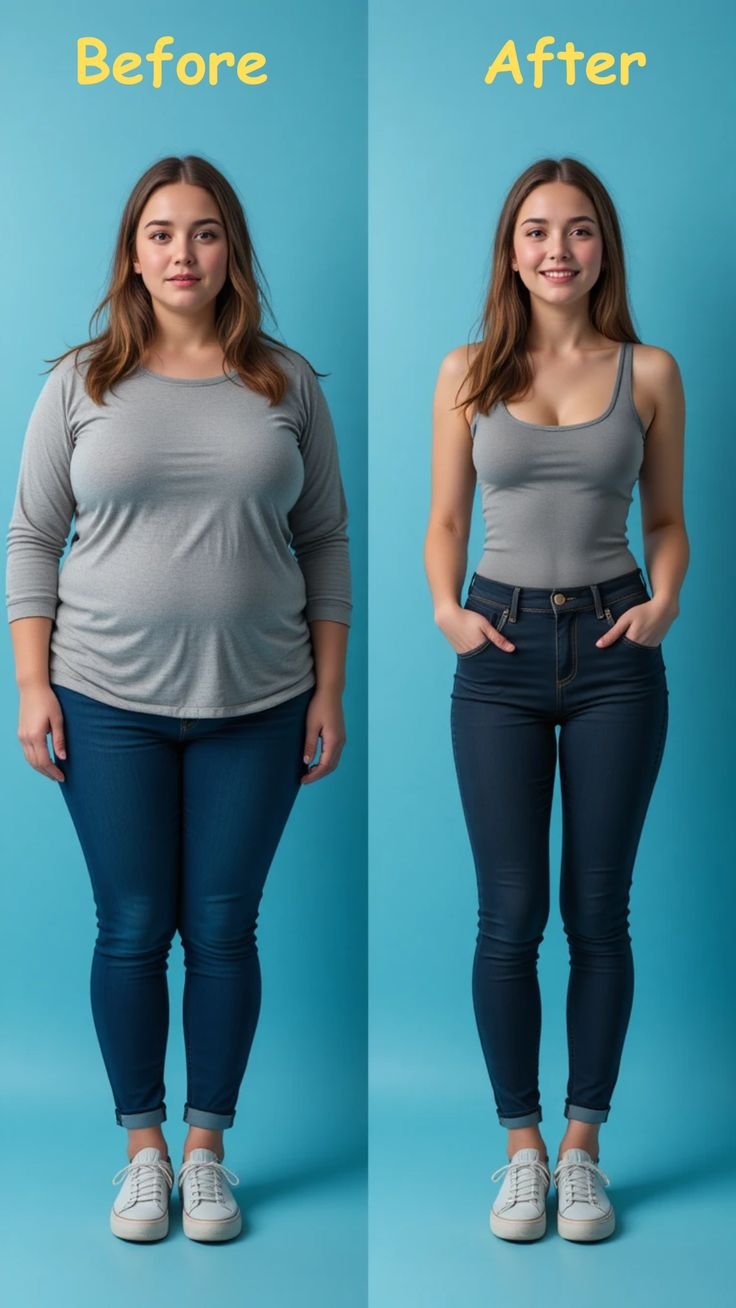
Weight loss Tips
Weight loss is not just about looking good—it’s about feeling good, boosting your energy levels, and improving overall health. In today’s fast-paced world, many people struggle with unhealthy eating habits, lack of exercise, and constant stress, making it hard to maintain a healthy weight. Carrying extra weight can lead to several health issues such as diabetes, heart disease, joint pain, fatigue, and even mental health problems like low self-esteem and depression.
The good news is that losing weight doesn’t require extreme diets or hours in the gym every day. With the right tips, practical strategies, and consistent effort, anyone can achieve sustainable weight loss. This article will provide a detailed, step-by-step guide with meal plans, workouts, lifestyle changes, and motivation strategies to help you reach your goals safely and effectively.
1. Understanding the Basics of Weight Loss
Weight loss occurs when your body burns more calories than it consumes. This is called a calorie deficit. To lose one pound of fat, you generally need to create a deficit of about 3,500 calories.
Key Factors:
-
Calorie Deficit: Consuming fewer calories than your body burns. For example, if your daily requirement is 2,000 calories and you consume 1,800 calories, you create a 200-calorie deficit per day.
-
Exercise and Physical Activity: Helps burn calories and improves metabolism.
-
Healthy Lifestyle: Good sleep, stress management, and proper nutrition are essential for effective weight loss.
Tips:
- Track your daily calorie intake using apps like MyFitnessPal.
- Understand your BMR (Basal Metabolic Rate) to know how many calories your body needs at rest.
- Avoid rapid reductions in calories; aim for gradual weight loss of 0.5–1 kg per week for safe results.
2. Adopt a Healthy Diet
Diet is the most important factor for weight loss. Crash diets may provide temporary results, but they are unsustainable and can harm your health. Focus on long-term, balanced eating habits.
a) Include More Protein
Protein keeps you full, helps build muscle, and boosts metabolism.
Sources:
-
Eggs
-
Chicken or fish
-
Lentils, beans, chickpeas
-
Greek yogurt or cottage cheese
Tip: Include protein in every meal. A high-protein breakfast can reduce hunger and cravings throughout the day.
b) Eat More Vegetables and Fruits
Vegetables and fruits are low in calories but high in fiber, vitamins, and minerals. Fiber helps digestion, reduces hunger, and stabilizes blood sugar levels.
Examples:
-
Vegetables: Spinach, broccoli, carrots, bell peppers
-
Fruits: Apples, berries, oranges, pears
Tip: Aim for 5–7 servings of fruits and vegetables daily. Use them in meals, smoothies, or as snacks.
c) Limit Processed Foods and Sugars
Processed foods, sweets, and sugary drinks contain empty calories and unhealthy fats. They slow down weight loss and harm overall health.
Alternatives:
-
Replace chips with roasted nuts or air-popped popcorn.
-
Replace soft drinks with green tea, lemon water, or infused water.
d) Drink Plenty of Water
Water boosts metabolism, aids digestion, and reduces appetite. Drinking a glass before meals can prevent overeating.
Tip: Aim for 2–3 liters of water daily. Adding lemon, cucumber, or mint enhances flavor and detox benefits.
e) Control Portion Sizes
Using smaller plates and practicing mindful eating prevents overeating. Eat slowly and stop when full.
Tip: When eating out, choose smaller portions, share meals, or take leftovers home.
3. Sample Meal Plan for Weight Loss
Breakfast:
-
2 boiled eggs or an omelet with vegetables
-
1 slice of whole grain toast
-
1 fruit (apple, banana, or berries)
Mid-Morning Snack:
-
10–15 almonds or walnuts
-
Green tea or water
Lunch:
-
Grilled chicken, fish, or tofu
-
1 cup of brown rice or quinoa
-
Steamed vegetables or a fresh salad
Afternoon Snack:
-
Greek yogurt with berries
-
Herbal tea
Dinner:
-
Vegetable soup or salad with lean protein
-
Avoid heavy carbs at night
Tips:
Stick to 3 main meals and 2 healthy snacks.
Avoid fried, sugary, and highly processed foods.
4. Exercise for Weight Loss
Exercise increases calorie burn, improves metabolism, strengthens muscles, and boosts mood. A combination of cardio, strength, and flexibility training is ideal.
a) Cardio Exercises
-
Running, jogging, or brisk walking
-
Cycling
-
Swimming
-
Jump rope or dancing
Tip: Aim for 30–60 minutes, 4–5 days per week. Cardio burns calories quickly and improves heart health.
b) Strength Training
-
Push-ups, squats, lunges, or resistance band exercises
-
Weight lifting
Strength training builds muscle, which increases metabolism and burns calories even at rest. Include strength exercises 2–3 times per week.
c) Flexibility and Balance
-
Yoga
-
Pilates
These exercises improve posture, reduce stress, and prevent injuries.
Sample Weekly Routine:
Monday: 30-min cardio + 15-min strength
Tuesday: Yoga or stretching
Wednesday: 40-min cardio
Thursday: Strength training
Friday: Cardio + flexibility exercises
Saturday: Light activity (walking or cycling)
Sunday: Rest
5. Lifestyle Changes
a) Get Enough Sleep
7–9 hours of quality sleep regulates hunger hormones and reduces cravings for unhealthy foods. Poor sleep is linked to weight gain.
b) Manage Stress
Stress triggers emotional eating. Use meditation, deep breathing, yoga, or hobbies to reduce stress.
c) Avoid Late-Night Snacking
Late-night eating often involves high-calorie foods that prevent fat loss. Finish your last meal 2–3 hours before bedtime.
d) Stay Consistent
Weight loss is gradual. Consistency in diet, exercise, and healthy habits ensures long-term success.
6. Mindful Eating
Mindful eating helps recognize hunger and fullness, preventing overeating.
Tips:
- Chew food thoroughly
- Eat slowly
- Focus on taste and texture
- Avoid eating while stressed or distracted
7. Set Realistic Goals
Target 0.5–1 kg per week instead of rapid weight loss
Celebrate small victories to maintain motivation
Track your achievements in a journal or app
8. Track Your Progress
Monitoring progress helps adjust your plan and stay motivated.
Tools:
-
Weight scale
-
Body measurements
-
Fitness apps
Tip: Take photos every 2–3 weeks to visually see your progress.
9. Popular Weight Loss Tips
Eat more fiber-rich foods to reduce hunger
Avoid sugary drinks and snacks
Opt for whole grains instead of refined carbs
Include healthy fats like nuts, seeds, and olive oil
Consider intermittent fasting (optional)
10. Supplements (Optional)
Some people use supplements to aid weight loss:
-
Green tea extract
-
Protein powders
-
Omega-3 supplements
Important: Consult a doctor before using supplements.
11. Common Mistakes to Avoid
-
Skipping meals
-
Following fad diets
-
Ignoring exercise
-
Expecting instant results
-
Not drinking enough water
Avoiding these mistakes ensures a smoother, healthier weight loss journey.
12. Motivation Tips
Set clear, achievable goals
Reward yourself for milestones (non-food rewards)
Join support groups or online communities
Keep a journal of meals, workouts, and progress
Focus on health improvements, not just the scale
13. Long-Term Habits for Sustainable Weight Loss
Plan meals in advance
Prepare healthy snacks for busy days
Make exercise a daily habit
Track your lifestyle, not just weight
Focus on consistent small changes over drastic measures
-
Optimize Your Metabolism
A faster metabolism helps burn more calories even at rest. Small changes in daily habits can improve metabolism naturally.
Tips:
- Stand up and move every hour if you have a desk job.
- Drink green tea or coffee in moderation to slightly boost metabolism.
- Include spicy foods (like chili or cayenne) occasionally to increase calorie burn.
- Build lean muscle through strength training; more muscle = higher metabolic rate.
-
Stay Hydrated with Smart Beverages
While water is essential, some beverages can help accelerate weight loss and improve digestion.
Tips:
Drink herbal teas such as ginger, peppermint, or chamomile.
Avoid sugary drinks, sodas, and energy drinks.
Start your day with warm water and lemon to stimulate digestion.
-
Plan for Cheat Meals Strategically
Completely restricting your favorite foods can lead to binge eating. Planned cheat meals prevent cravings while keeping your weight loss on track.
Tips:
Limit cheat meals to once a week.
Keep portions small; enjoy treats mindfully.
Use cheat meals as motivation to stick to healthy eating the rest of the week.
-
Leverage Support Systems
Having encouragement and accountability makes weight loss easier and more sustainable.
Tips:
Share your goals with friends or family.
Join fitness groups, online communities, or weight loss challenges.
Partner with a workout buddy to stay motivated and consistent.
-
Incorporate Interval Training (HIIT)
High-Intensity Interval Training (HIIT) alternates short bursts of intense exercise with recovery periods. It burns more calories in less time and improves cardiovascular fitness.
Tips:
- Example: 30 seconds sprint + 1-minute walk, repeat 10–15 times.
- Can be done with running, cycling, jump rope, or bodyweight exercises.
- Aim for 2–3 HIIT sessions per week alongside regular workouts.
-
Focus on Gut Health
A healthy gut improves digestion, reduces bloating, and can aid weight loss. Probiotics and fiber-rich foods support gut bacteria.
- Tips:
- Include yogurt, kefir, kimchi, or sauerkraut in your diet.
- Eat plenty of whole grains, fruits, and vegetables for fiber.
- Avoid excessive processed foods and antibiotics unless necessary.
- 20. Stay Active Throughout the Day
Even outside of regular workouts, staying active during the day helps burn extra calories and improves overall health. Small daily activities can make a big difference over time. - Tips:
-
Take the stairs instead of the elevator.
-
Walk or cycle for short trips instead of driving.
-
Stand up and stretch every hour if you have a desk job.
-
Do household chores like cleaning or gardening—they count as physical activity too.
- Conclusion
- Weight loss is not just about strict dieting or working out excessively. It is a holistic approach that combines balanced nutrition, exercise, sleep, stress management, and mindful habits. With patience, consistency, and proper planning, anyone can achieve lasting weight loss and better health. Start today, implement small changes, track your progress, and stay motivated. Sustainable lifestyle changes lead to long-term success.
- Quick Recap of Tips:
-
Maintain a calorie deficit
-
Eat protein-rich foods
-
Include fruits and vegetables
-
Exercise regularly (cardio + strength)
-
Drink plenty of water
-
Sleep well and manage stress
-
Avoid processed foods and sugary drinks
-
Practice mindful eating
-
Track your progress
-
Set realistic goals
-
Stay motivated and consistent
-
Avoid common mistakes